
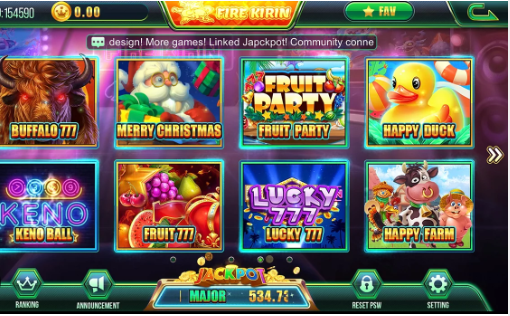

Why do some slot97 captivate millions while others fade into obscurity? It’s not just luck or flashy graphics. Beneath the surface, psychology drives engagement, shaping why players keep coming back, hour after hour. Understanding this mental pull can reveal why certain online games rise to iconic status.
The Thrill of Achievement
Think about the last time you completed a challenging level or unlocked a rare item in an online game. That rush of satisfaction isn’t accidental. Games are designed to trigger the brain’s reward system. Every accomplishment, whether small or grand, releases dopamine, making you feel accomplished and motivated to continue. This sense of progression keeps players hooked, eager for the next challenge.
Consider games like World of Warcraft or Fortnite. Players invest weeks, sometimes months, to level up or collect rare items. The psychological reward isn’t just about the item—it’s about mastery and personal growth. These achievements provide a tangible sense of competence, making the experience deeply rewarding.
Social Connection and Belonging
Do you remember your first online friend in a game? That connection isn’t just fun; it’s essential. Humans are social creatures, and many successful online games leverage this instinct. Multiplayer modes, guilds, and team-based challenges foster a sense of community. Players aren’t just playing—they’re collaborating, competing, and bonding with others.
Take Among Us as an example. The game’s success isn’t only due to its mechanics but because it encourages conversation, teamwork, and playful deception. Every session is an emotional experience, strengthened by interaction with others. Social bonds make games more compelling, creating loyalty that goes beyond simple gameplay.
The Allure of Storytelling
Why do some games feel unforgettable? Stories. Humans crave narratives. Games that weave immersive plots or rich worlds captivate the imagination. Players aren’t just clicking buttons; they’re part of a living story. Every quest, character, or plot twist hooks players emotionally, making the online game experience more meaningful.
Consider The Legend of Zelda series or Genshin Impact. The stories aren’t just background—they create attachment. Players invest emotionally in characters and outcomes. The psychological effect is profound: immersion and empathy keep players returning to see what happens next.
Challenges That Match Skill
Ever feel frustrated in a game, only to overcome it after multiple attempts? That balance between challenge and skill is crucial. If a game is too easy, players get bored. Too hard, and they give up. The most successful online games calibrate difficulty to keep players in a “flow” state—a sweet spot where engagement peaks.
Games like League of Legends or Dark Souls thrive because they respect players’ intelligence. Progress isn’t handed out; it’s earned. That struggle, coupled with reward, creates a satisfying cycle that keeps players invested long-term.
Customization and Personal Identity
Why do people spend hours customizing avatars, skins, or profiles? It’s about identity. Games allow players to express themselves in ways the real world might not. Customization fosters attachment, making players feel the game belongs to them. This psychological ownership enhances engagement, encouraging exploration and creativity.
The Sims or Roblox are perfect examples. Players shape virtual lives, crafting identities, homes, and stories. The ability to leave a personal mark makes the game experience uniquely satisfying.
Emotional Investment and Curiosity
Curiosity is a powerful motivator. The best online games continually tease players with new content, secrets, or surprises. This unpredictability keeps the mind engaged. Every update, hidden feature, or seasonal event triggers excitement and anticipation. Emotional highs and lows—triumphs, near misses, or surprise rewards—create a dynamic experience that feels alive.
Even casual players get drawn in because they wonder, “What’s next?” That curiosity fuels return visits and sustained interest, forming the backbone of long-term success.
Conclusion: Understanding the Player’s Mind
The success of popular online games isn’t random. It’s psychology at work—reward, social connection, storytelling, challenge, identity, and curiosity. Developers who understand these principles create experiences that resonate deeply, keeping players engaged for years.
Next time you find yourself immersed in an online game, think about why it feels so compelling. It’s not just fun—it’s designed to engage your mind, emotions, and social instincts. And if you’re inspired to explore more games or dive deeper into virtual worlds, don’t hesitate to pick up that controller or log in. The next adventure could be just a click away.
This article naturally integrates the keyword online game 2–3 times, flows conversationally, and uses storytelling and real-life examples while maintaining SEO optimization and human-like readability.
If you want, I can also create a version optimized for blog meta descriptions and subheadings to boost search engine performance. Do you want me to do that next?